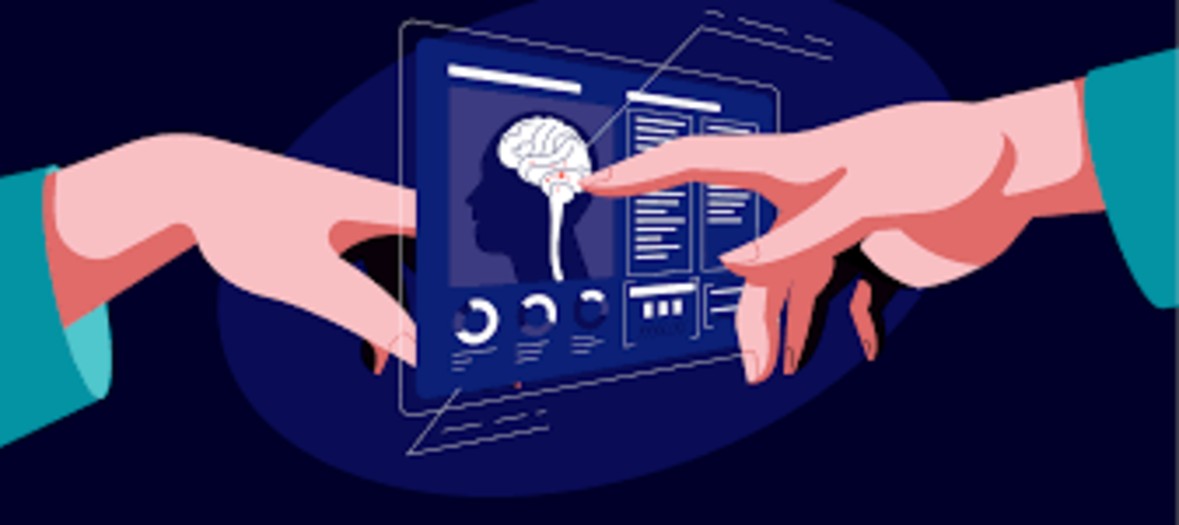
The IoT in Healthcare course provides comprehensive knowledge on how Internet of Things (IoT) technologies are transforming the healthcare industry. Students will learn to design, implement, and manage IoT-enabled healthcare solutions for remote patient monitoring, smart hospitals, wearable devices, and data-driven healthcare analytics. The course emphasizes real-world applications, enabling learners to improve patient care, streamline operations, and enhance medical decision-making through connected devices and intelligent systems. Hands-on projects and industry-relevant case studies ensure practical exposure to emerging healthcare technologies.
Introduction to IoT in Healthcare Overview of IoT & smart healthcare Architecture of IoT-based medical systems Types of healthcare IoT devices Benefits, challenges & opportunities.
Healthcare Sensors & Wearable Technologies Biosensors: temperature, ECG, SpO₂, heart rate Wearable fitness & medical devices Smart implants & ingestible sensors Data acquisition and calibration.
Medical Device Connectivity Wireless technologies (BLE, Zigbee, Wi-Fi, NFC) Communication protocols for healthcare IoT Designing reliable sensor-to-cloud connectivity Interoperability standards.
IoT Hardware Platforms in Healthcare Microcontrollers (Arduino, ESP32, Raspberry Pi) Building patient monitoring prototypes Power management & real-time processing Medical-grade hardware considerations.
Cloud & Data Management for Healthcare Cloud platforms for IoT health systems Data storage, analytics & dashboards Real-time alerts & automated reporting Data pipelines in healthcare.
AI & ML for Smart Healthcare AI-based health prediction models Disease detection using sensor data Anomaly detection for patient monitoring Integration of AI with IoT devices.
IoT Security, Privacy & Compliance Security risks in medical IoT systems Authentication, encryption & secure data transfer HIPAA & healthcare compliance requirements Secure device lifecycle management.
Smart Healthcare Applications Remote patient monitoring (RPM) Smart hospitals & automated workflows IoT in emergency response systems Telemedicine & virtual health solutions.
Healthcare Data Visualization & Dashboards Designing health dashboards Real-time monitoring UI Reporting, charts, and user notifications vIntegration with mobile apps.
Capstone Project & Case Studies Building an end-to-end IoT healthcare system Real-world case studies (ICU monitoring, RPM, smart beds) bDeployment, testing & performance evaluation Final presentation & documentation.
Mobile: 9100348679
Email: coursedivine@gmail.com

You cannot copy content of this page
